What to Do When a Rental Property Leak Starts
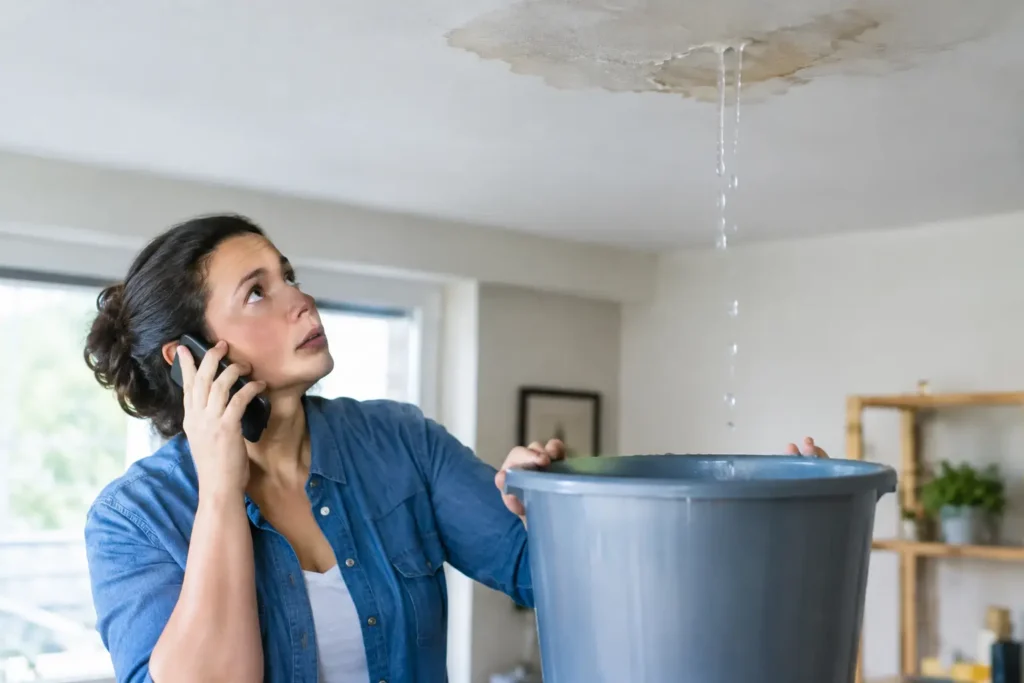
A rental property leak rarely stays small for long. A damp spot under a sink, a slow drip behind a toilet, or water staining the ceiling below can turn into damaged flooring, mold concerns, tenant frustration, and a far more expensive repair. For landlords and property managers, the priority is simple: stop the water, protect the property, document what happened, and get a qualified plumber involved before hidden damage spreads.
Why Fast Action Matters After a Rental Property Leak
Water travels. A leak from a second-floor bathroom may show up as a ceiling stain in the unit below, while a pinhole leak inside a wall can soak insulation and framing long before anyone sees standing water. In Florida’s humid conditions, damp materials can also become a mold issue faster than many property owners expect.
The cost of a leak is not limited to the failed pipe or fixture. There may be drywall replacement, cabinet damage, flooring repairs, lost use of part of the home, and coordination with tenants or neighboring units. Acting quickly gives you the best chance of limiting the repair to the original plumbing issue.
A fast response also protects the landlord-tenant relationship. Tenants do not need a technical explanation in the middle of a water emergency. They need clear instructions, a realistic arrival time, and confidence that someone is handling the problem.
The First Steps to Take
When a tenant reports water where it should not be, ask a few direct questions. Is water actively flowing? Is it near electrical outlets, a breaker panel, or appliances? Is the water clean, or is it coming from a toilet or drain? Is there water in another unit, room, or ceiling below?
If water is actively running, have the tenant shut off the nearest fixture valve if it is safe and accessible. For a toilet leak, the small valve behind the toilet may stop the flow. For a sink, the shutoff valves are usually inside the cabinet. If the leak cannot be isolated, turn off the home’s main water supply. Property managers should make sure tenants know where that main shutoff is located before an emergency happens.
Do not ask a tenant to take apart plumbing, open walls, or handle damaged electrical equipment. Moving valuables, placing towels around a small contained leak, and taking photos are reasonable steps. Anything beyond that can create more damage or put someone at risk.
Once the immediate water source is controlled, document the issue. Save the tenant’s report, photos, videos, and the time the leak was discovered. Clear documentation helps you track the repair, communicate with insurance when necessary, and distinguish a sudden plumbing failure from an ongoing maintenance concern.
Find the Source, Not Just the Wet Spot
The visible water is not always the source of the problem. A ceiling stain may be caused by a loose toilet seal, a failed shower drain, a leaking supply line, a roof issue, or a pipe inside the wall. Likewise, a wet cabinet can come from a faucet connection, drain fitting, dishwasher line, garbage disposal, or a slow leak from the wall behind it.
This is where professional leak detection matters. A licensed plumber can test fixtures, inspect supply and drain lines, check water pressure, and identify whether the leak is active. The goal is to repair the cause, not simply dry the surface and hope the problem is gone.
A quick patch may appear cheaper, especially when the leak seems minor. But temporary repairs can fail again after the tenant has returned to normal use. For a rental property, durable workmanship is usually the better value because it reduces repeat calls, tenant disruption, and the risk of broader damage.
Common rental leak sources
Some plumbing problems appear again and again in rental homes, apartments, and commercial spaces. Supply lines under sinks and toilets can corrode or loosen. Old toilet flappers and fill valves may run constantly, increasing water bills. Worn shower valves can leak behind walls. Drain lines may crack, separate, or back up due to buildup.
Water heaters are another common source. A leaking tank, failed temperature and pressure relief valve, or corroded connection can release a surprising amount of water. If a tenant reports water around a water heater, treat it as urgent, especially if the leak is growing or the unit is no longer producing reliable hot water.
Who Is Responsible for the Repair?
Responsibility depends on the cause of the leak, the lease terms, and local requirements. In many cases, the landlord is responsible for plumbing repairs involving normal wear, aging pipes, faulty fixtures, or building systems. Tenants may be responsible when damage results from misuse, neglect, or an unreported issue that became worse over time.
For example, a failed pipe inside a wall is generally a property repair. A toilet overflow caused by an object flushed into the system may require a closer review. Even then, avoid assumptions. The plumber’s findings, photographs, and service documentation can provide the facts needed to make a fair decision.
The practical priority should remain the same: stop the damage first. Sorting out cost responsibility can happen after the plumbing is safe and the affected areas are protected. Delaying an urgent repair to debate fault can turn a manageable issue into a major restoration project.
When a Leak Is an Emergency
Not every drip requires a middle-of-the-night visit. A faucet dripping into a sink can often wait until regular service hours if it is contained and the fixture can be left off. A small leak under a sink may also be manageable for a short time if the shutoff valve works, the cabinet is emptied, and no water is reaching floors or walls.
Other situations need immediate attention. Call for emergency plumbing service when water is actively flooding, a ceiling is bulging or leaking, a pipe has burst, sewage is backing up, water is near electrical equipment, or a water heater is releasing water. The same applies when one unit’s leak is affecting another unit. In multi-family properties, every minute can increase the number of homes impacted.
Property managers should also treat unexplained spikes in water bills as a warning sign. A silent toilet leak, underground line leak, or hidden pipe failure may be wasting water for weeks. Early inspection can prevent a sudden emergency later.
Preventing the Next Leak
The best time to prevent a rental property leak is between tenant emergencies. Inspect visible plumbing during turnovers and routine maintenance visits. Look under sinks, around toilets, behind washing machines, near water heaters, and at exposed supply lines. Check for corrosion, moisture, soft cabinet bottoms, staining, and loose connections.
A few practical habits can make a real difference:
- Replace aging supply lines before they fail, especially rubber hoses and visibly corroded connectors.
- Test toilet function and look for continuous running or movement at the base.
- Inspect water heaters for rust, moisture, and signs of slow seepage.
- Keep drain lines maintained in properties with recurring clogs or older plumbing.
- Give tenants a clear way to report leaks immediately, including after-hours instructions.
It also helps to keep records of prior repairs. If the same bathroom has repeated drain backups or the same water heater has developed several leaks, that pattern may point to a larger issue. Replacing a failing component or section of pipe can be more cost-effective than paying for repeated service calls.
Choose Clear Communication and Lasting Repairs
A plumbing emergency is stressful for tenants and inconvenient for owners, but the service experience should not add confusion. Ask for a clear explanation of the problem, recommended repair options, and what needs to happen next if drying or restoration is required. Itemized documentation and before-and-after photos are especially useful for rental records.
For landlords and managers in Pinellas County and surrounding areas, Royal King Plumbing provides fast-response leak repair with licensed plumbers who explain the issue plainly and focus on repairs that last. Whether the problem is a hidden pipe leak, failed toilet connection, damaged water heater line, or an active overflow, the right response starts with addressing it quickly and correctly.
A tenant’s first call about water should never become a waiting game. Put a simple emergency plan in place, respond early, and repair the source before a small leak gets the chance to become a costly property problem.
Leave a Reply