Best Leak Prevention Devices for Your Property
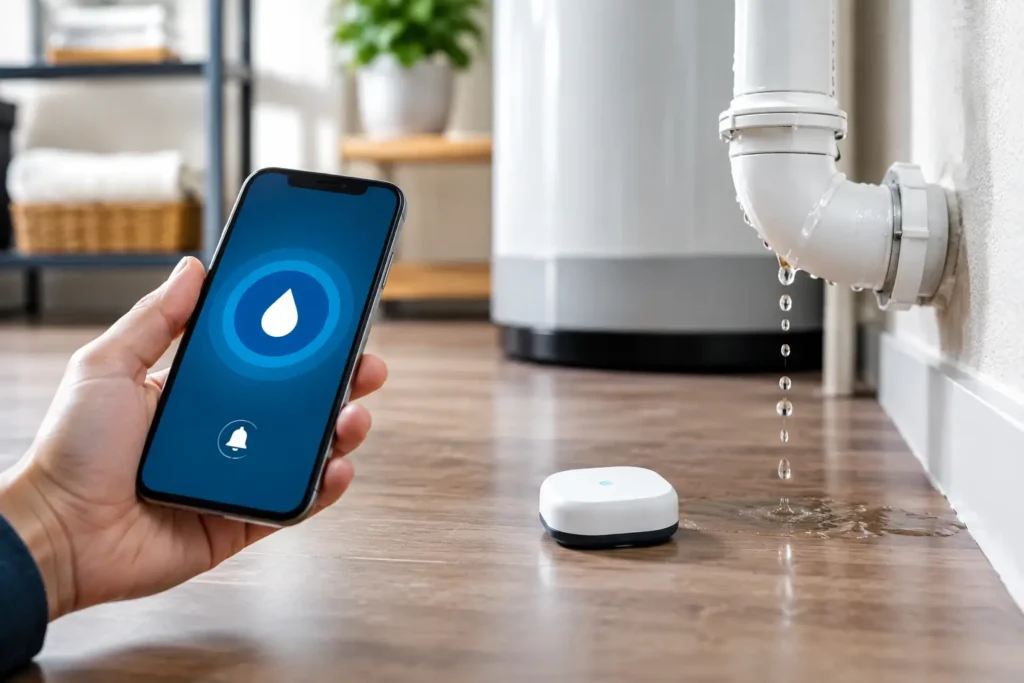
A washing machine hose can split while no one is home. A slow leak under a sink can soak cabinetry for weeks before it becomes visible. A water heater drip can turn into a damaged floor, mold concern, and an emergency repair call. The best leak prevention devices help you catch those problems earlier, but the right choice depends on your plumbing system, your property, and how much protection you need.
For homeowners, landlords, and business owners, the goal is not to buy every gadget available. It is to put reliable protection where a leak would cause the most damage and make sure the device is installed, tested, and maintained correctly.
What Leak Prevention Devices Actually Do
Leak prevention devices generally fall into two categories: devices that alert you to water and devices that stop water automatically. Both can be useful, but they solve different problems.
A basic sensor alarm detects moisture in one location and sends an audible alert, phone notification, or both. It is affordable and simple, but someone still has to respond and shut off the water.
An automatic shutoff system detects an unusual flow pattern or receives a signal from a nearby sensor, then closes the home or building’s main water supply. This option offers stronger protection during a major leak, especially if the property is vacant or occupants are away. It also requires more planning and professional installation in many cases.
No device replaces sound plumbing repairs. If a supply line is corroded, a toilet keeps running, or a pipe has already begun leaking inside a wall, the device may limit damage, but it will not fix the cause.
Best Leak Prevention Devices by Situation
Point-of-use water sensors
Small water sensors are one of the most practical starting points. Place them on the floor near water heaters, washing machines, dishwashers, refrigerators with ice makers, under-sink cabinets, toilets, and HVAC equipment with condensate lines. When water reaches the sensor, it sounds an alarm or sends a notification through an app.
These sensors work well when the risk is concentrated in a specific area. They are also a smart choice for rental properties because they are inexpensive, easy to place, and can warn a tenant or property manager before a small leak becomes a larger claim.
The trade-off is simple: a sensor only protects the spot where it is installed. It will not detect a hidden slab leak, a pipe break in the attic, or a leak on the opposite side of the building. Batteries and wireless connections also need occasional checks.
Smart water monitors
A smart water monitor is typically installed on or near the main water line. It tracks water use and looks for patterns that may indicate a leak, such as continuous flow overnight or unusually high usage when the property should be quiet.
This can be valuable for households that travel often, landlords managing vacant units, and businesses that close overnight. Instead of relying on a visible puddle, the monitor may flag a problem based on water behavior.
However, smart monitoring is not always perfect. Irrigation systems, water softeners, pool fillers, ice makers, and regularly scheduled cleaning can sometimes look like unusual usage. The best systems let you adjust settings and review alerts instead of shutting off water every time a normal fixture runs longer than expected.
Automatic main water shutoff valves
For stronger whole-property protection, an automatic shutoff valve is often the best option. Installed on the main supply line, it can close the water when a connected sensor detects water or when the monitoring system identifies a likely major leak.
This is especially useful where fast water damage can be expensive: homes with second-floor bathrooms, properties left empty for long periods, commercial spaces with finished interiors, and buildings with aging plumbing. A shutoff valve can prevent thousands of gallons from flowing while someone is away.
There are important details to consider before installation. The valve must be compatible with the existing pipe material and valve setup. It should remain accessible for service. The system also needs a plan for essential equipment, such as fire suppression systems or appliances that depend on a continuous water supply. A licensed plumber can assess the layout and recommend the right approach rather than forcing a one-size-fits-all device into the system.
Leak detection systems with remote alerts
Some systems combine multiple sensors, a main-line monitor, and remote alerts. They can provide a fuller view of the property, which makes them a good fit for larger homes, multi-unit rentals, offices, restaurants, and other commercial properties.
The advantage is visibility. A manager can receive an alert about water under a break-room sink, a possible toilet leak, or continuous usage from a phone. The drawback is that more components mean more setup, more batteries or power connections, and more opportunities for settings to be ignored after installation.
For a property with several risk areas, it is usually better to start with the highest-risk locations and expand from there than to install sensors everywhere without a clear maintenance plan.
Where to Place Leak Protection First
The most valuable placement is usually not the most obvious placement. A bathroom floor may reveal water quickly, but the space behind a washing machine or under a kitchen sink can hide a leak for days.
Start with appliances and fixtures that have pressurized supply lines or are used frequently. Water heaters, washing machines, dishwashers, refrigerator lines, toilets, and bathroom or kitchen sink cabinets deserve priority. In commercial properties, include mop sinks, break-room plumbing, utility rooms, and any area below upstairs plumbing.
If you have had a previous leak, give that area extra attention. Repeated problems can point to poor drainage, worn connections, movement in the structure, high water pressure, or aging pipe materials. A sensor is helpful, but an inspection may reveal why the issue keeps returning.
Device Features That Matter More Than Marketing
When comparing the best leak prevention devices, focus on how they will work when you actually need them. A loud local alarm is useful if someone is usually home. Remote notifications matter more for a second home, rental, or closed business. Automatic shutoff is worth considering when even a few hours of uncontrolled water could cause major losses.
Look for a device with a clear low-battery warning, a straightforward way to test it, and alerts that more than one responsible person can receive. If it uses Wi-Fi, confirm that the signal is reliable where the device will sit. A smart device that drops offline in a garage or utility closet offers less protection than expected.
It is also wise to confirm whether the system needs professional installation. Main-line shutoff devices involve your property’s water supply and should be installed correctly to avoid restricted flow, leaks at the connection, or a valve that cannot be serviced later.
Prevention Still Starts With Plumbing Maintenance
Leak prevention technology works best alongside basic maintenance. Check exposed supply lines for rust, corrosion, bulging, or moisture. Replace aging washing machine hoses with quality braided hoses. Know where the main water shutoff is located, and make sure everyone responsible for the property knows how to use it.
Pay attention to changes that seem minor: a water bill that rises without explanation, a toilet that refills by itself, a musty cabinet, warm flooring, peeling paint, or a water heater pan that is not dry. Those signs can indicate a leak before a device ever sends an alert.
If you are dealing with recurring moisture, unexplained water use, or a suspected hidden leak, fast diagnosis matters. Royal King Plumbing can help identify the source, explain the repair clearly, and make sure your leak prevention plan supports repairs that last.
The right device should give you more than another phone notification. It should give you time to act before a small plumbing problem has the chance to damage your property.
Leave a Reply