
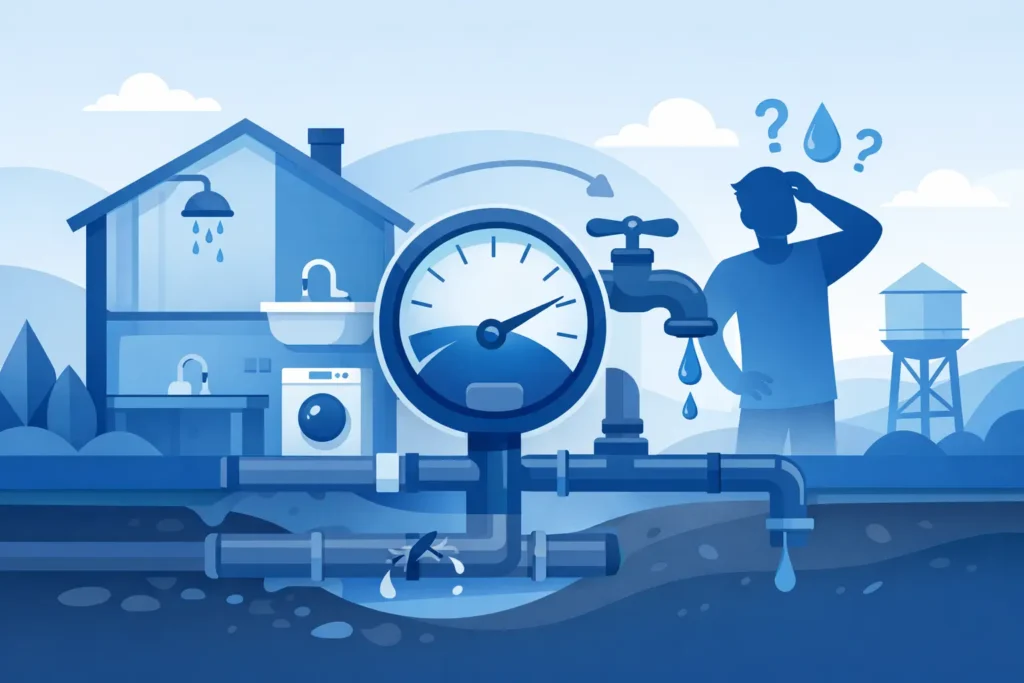
A shower that barely rinses shampoo, a kitchen faucet that takes too long to fill a pot, or a business restroom with weak flow can turn an ordinary day into a frustrating one. Low water pressure is not always an emergency, but it should not be ignored – especially when the change is sudden, affects more than one fixture, or comes with leaks, discolored water, or unusually high water bills.
The right fix depends on where the pressure loss begins. Sometimes it is a clogged showerhead. Other times, the issue is hidden inside aging pipes, a failing pressure regulator, or the main water line serving the property. A licensed plumber can trace the source, explain what is happening in plain language, and recommend a repair that solves the problem instead of covering it up.
Start by Finding Where the Pressure Is Low
Before assuming there is a major plumbing problem, pay attention to which fixtures are affected. If one bathroom sink or one shower has weak flow while the rest of the property works normally, the problem is often local to that fixture. Mineral buildup, a clogged aerator, a partially closed shutoff valve, or a worn faucet cartridge may be restricting water.
If low water pressure affects both hot and cold water throughout the home or business, the cause may be farther back in the plumbing system. That can point to a partially closed main shutoff valve, a pressure regulator issue, a water meter valve problem, corroded pipes, or a problem with the municipal water supply.
There is one important distinction: water pressure is not the same as water volume. A fixture may have normal pressure at first but lose flow after a few seconds if there is a restriction in the line. This is why an accurate diagnosis matters. Replacing a faucet will not fix a supply-line issue, and adjusting a regulator will not clear buildup inside an old pipe.
Common Causes of Low Water Pressure
Clogged Aerators and Showerheads
Tampa Bay water can leave mineral deposits behind over time. Those deposits may collect in faucet aerators and showerheads, reducing the amount of water that can pass through. This is one of the more straightforward causes of weak flow when the issue is limited to a single fixture.
A careful cleaning may restore performance. However, if the fixture is old, corroded, or repeatedly clogs, replacement may be the more reliable choice. A plumber can also check whether debris is coming from inside the plumbing rather than from the fixture itself.
Partially Closed Valves
A main shutoff valve or a fixture shutoff valve that is not fully open can restrict flow. This sometimes happens after prior repairs, appliance installation, or work near the water meter. Gate-style valves can also fail internally, meaning the handle may appear open even though the valve is still blocking part of the water supply.
Homeowners should avoid forcing a stiff valve. A damaged valve can start leaking or fail completely when moved. If a valve is corroded, hard to operate, or located in an area with signs of moisture, it is best to have it inspected professionally.
Pressure Regulator Problems
Many properties have a pressure-reducing valve, also called a pressure regulator, installed near the main water supply. Its job is to keep incoming water pressure at a safe level for the plumbing system. When it fails, the result can be pressure that is too low, too high, or inconsistent from one day to the next.
A failing regulator can be confusing because the symptoms may come and go. You may notice strong flow in the morning and weak flow later, or hear pipes making unusual sounds when fixtures are turned on. A plumber can test the pressure, confirm whether the regulator is working properly, and replace it when needed.
Hidden Leaks and Damaged Pipes
A leak does not always leave a puddle under a sink. Water can escape behind walls, under slabs, in ceilings, or underground along the main service line. If water is leaving the system before it reaches your fixtures, pressure and flow can drop.
Watch for other warning signs: a sudden increase in the water bill, damp drywall, warm spots on floors, mildew odors, water stains, or the sound of water moving when everything is turned off. These issues deserve prompt attention. Delaying a hidden leak repair can lead to structural damage, mold concerns, and a much larger repair bill.
Corroded or Aging Supply Pipes
Older galvanized pipes can corrode from the inside out. As corrosion and mineral scale build up inside the pipe, the opening becomes narrower and water has less room to move. The result is gradual low water pressure that often gets worse over the years.
This is not typically a quick fixture repair. Depending on the condition and location of the affected pipes, targeted pipe repair may help, or repiping may be the better long-term investment. The right decision depends on the age of the system, the extent of corrosion, the property layout, and whether leaks have already started.
Water Heater Issues Affecting Hot Water Only
If cold water pressure is normal but hot water flow is weak at multiple fixtures, the water heater or hot-water piping may be involved. Sediment buildup, a partially closed valve, a failing water heater connection, or corrosion in older hot-water lines can all contribute.
Tankless and traditional tank water heaters have different service needs, so the inspection should match the equipment installed at the property. Do not treat weak hot-water flow as only a comfort issue. It may be an early warning that the water heater or related piping needs service.
What You Can Check Safely
A few simple observations can help narrow down the issue before scheduling service. Check whether the pressure loss affects one fixture or the whole property. Compare hot and cold water at the same faucet. Look for obvious leaks under sinks, around toilets, and near the water heater. If a showerhead or faucet aerator is visibly dirty, cleaning it may help.
Also ask whether the problem started suddenly or gradually. Sudden pressure loss is more likely to involve a valve change, leak, supply interruption, or failed component. Gradual decline often points to mineral buildup, aging fixtures, or pipe corrosion.
Avoid taking apart main water lines, adjusting a pressure regulator without proper testing, or opening plumbing inside walls. Those jobs can create leaks, damage components, or mask a problem that needs immediate repair.
When Low Water Pressure Needs a Plumber Right Away
Call for professional help promptly if weak pressure appears suddenly throughout the property, if you see active leaking, or if the pressure drop follows a burst pipe, renovation, or plumbing repair. Businesses and rental properties should also act quickly when poor pressure affects restrooms, kitchens, tenant spaces, or customer areas.
A plumber should test the water pressure, inspect accessible valves and fixtures, and determine whether the restriction is inside the property plumbing or outside at the meter or supply line. Professional diagnosis is especially valuable when a problem involves concealed piping, slab leaks, water heaters, or older galvanized lines.
For Tampa Bay homeowners, landlords, and business owners, Royal King Plumbing provides fast-response plumbing service with clear explanations, honest pricing, and repairs designed to last. The goal is not just to improve flow for the day, but to identify why the pressure changed and prevent the same problem from returning.
Weak water flow is easy to put off when the faucets still work. But when low pressure changes suddenly, spreads to multiple fixtures, or appears alongside leak symptoms, a timely inspection can protect the property and restore the dependable water service you expect.


