
What Does a Plumber Charge? Typical Cost Factors
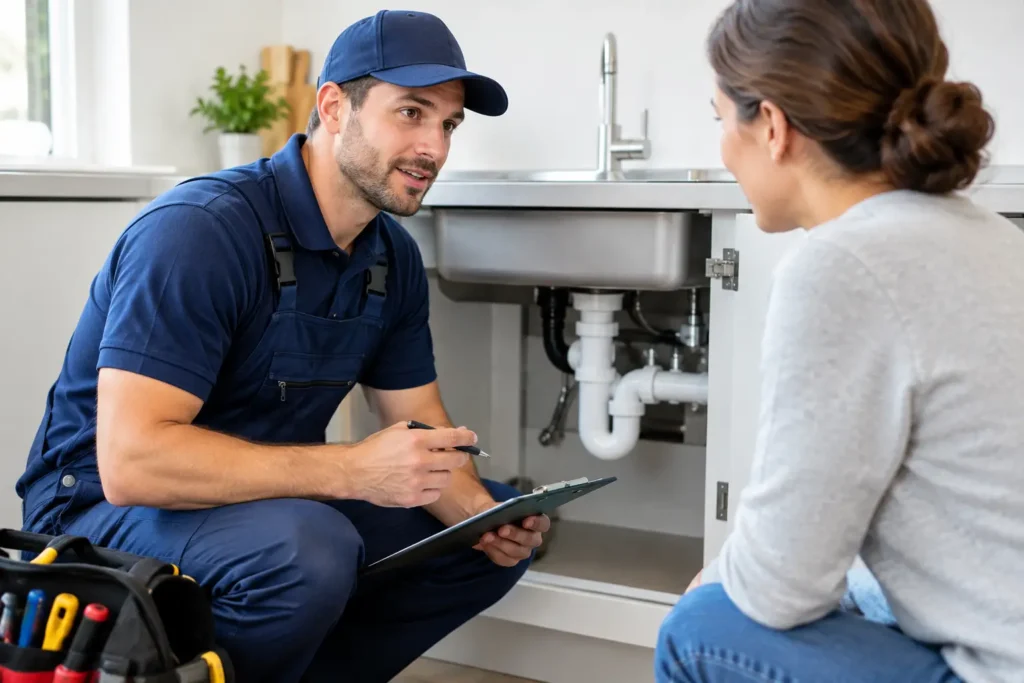
A leaking pipe under the sink can look like a small problem until water reaches the cabinet, flooring, or wall. So, what does a plumber charge when you need help? The honest answer depends on the issue, how quickly service is needed, what parts are required, and how much access is involved. A trustworthy plumber should explain those factors clearly before work begins.
For homeowners, landlords, and business owners, the goal is not simply finding the lowest number. It is getting a prompt diagnosis, a clear scope of work, and a repair that solves the problem instead of creating another service call next week.
What Does a Plumber Charge for a Service Call?
Most plumbing companies begin with a service-call or diagnostic fee. This covers the plumber’s travel time, arrival at the property, professional evaluation, and initial troubleshooting. If the problem is straightforward, the plumber may be able to identify the cause quickly. Hidden leaks, recurring drain backups, and intermittent water-heater issues can require more investigation.
After diagnosis, plumbing work may be priced as a flat-rate repair, an hourly rate, or a combination of labor and materials. Flat-rate pricing can be helpful because you know the cost of the approved repair before the work starts. Hourly pricing can make sense for open-ended jobs where the full extent of damage cannot be known until a wall, ceiling, or fixture is opened.
Ask whether the diagnostic fee is applied to the repair if you move forward. Also ask whether the quote includes labor, standard materials, permits when required, cleanup, and any warranty on workmanship. Clear answers prevent surprises.
The Main Factors That Affect Plumbing Prices
Two homes can have the same visible symptom and need very different repairs. A slow drain might be solved with basic cleaning in one property, while another has a damaged or blocked line farther down the system. Price reflects the actual problem, not just the fixture where you noticed it.
Time and urgency
A scheduled weekday repair generally costs less than an after-hours, weekend, or holiday emergency visit. Emergency plumbing service requires a plumber to respond quickly outside normal scheduling windows, often when an active leak, overflow, or loss of water service cannot wait.
That higher cost can still be the less expensive decision. Shutting down a burst pipe, stopping an overflowing toilet, or addressing a failed water heater promptly may prevent major water damage and business interruption.
Access to the repair area
Easy access usually means less labor. Replacing an exposed supply line beneath a sink is very different from locating a leak behind tile, under a slab, above a finished ceiling, or inside a commercial wall. Technicians may need specialized leak-detection equipment, additional time, or coordination with restoration contractors after the plumbing repair is complete.
Parts and fixture quality
The cost of parts varies widely. A toilet fill valve, garbage disposal component, shutoff valve, or faucet cartridge may be relatively modest. A new water heater, tankless unit, sewer-line section, pump, or commercial-grade fixture is a larger investment.
Cheaper parts are not always the best value. For heavily used fixtures or rental properties, durable components can reduce repeat repairs and maintenance calls. Your plumber should be able to explain the practical differences without pressuring you into upgrades you do not need.
Repair complexity and code requirements
Simple repairs take less time than repiping, line replacement, water-heater installation, or major drain work. In some cases, permits, inspections, proper venting, electrical coordination, or code-compliant safety upgrades affect the total cost. These requirements exist to protect the property and its occupants, particularly with gas lines, water heaters, and extensive pipe work.
Typical Plumbing Jobs and What Changes the Price
Rather than relying on one advertised price, consider the range of conditions behind common calls.
A clogged sink or shower drain may only need a basic clearing if the obstruction is close to the fixture. If the clog returns repeatedly, the plumber may recommend camera inspection or more thorough cleaning to check for buildup, roots, damaged piping, or an issue farther down the line.
Toilet repair can be inexpensive when the problem is a worn flapper, fill valve, handle, or seal. Costs rise when the toilet must be removed, the flange is damaged, there is a drain-line obstruction, or water has affected the flooring below.
Leak repair depends heavily on location. An exposed pipe leak may be repaired quickly. A hidden leak may require detection, controlled access to the pipe, repair, testing, and careful documentation of the work performed. If you see unexplained water stains, hear water running when fixtures are off, or notice a sudden increase in your water bill, waiting can make the repair more costly.
Water-heater pricing varies by capacity, fuel source, installation conditions, and whether you are replacing a tank unit or moving to a tankless system. A replacement often involves more than setting a new unit in place. Proper connections, pressure relief components, drainage, venting, and code requirements all matter for safe operation.
Why an Estimate Can Differ From the Final Invoice
A professional estimate is based on what can be seen and tested at the time. Sometimes the repair reveals a hidden issue, such as corroded pipe around a leak, a failed valve behind a fixture, or water damage that prevents a simple reinstall. That does not mean a higher bill should appear without explanation.
Before performing additional work, the plumber should show you what changed, explain the options, and obtain approval. Good communication is especially important for property managers and landlords who may need photos, itemized receipts, and details for owners or tenants.
Be cautious with quotes that seem unusually low but provide few details. A vague price may not include diagnostic time, materials, disposal, after-hours charges, or the actual repair needed. The lowest initial number can become expensive if the work is incomplete or the problem returns.
How to Get a Clear Plumbing Quote
You do not need technical plumbing knowledge to ask useful questions. Describe what you are seeing, when it began, whether the issue is getting worse, and whether you have already shut off water to the fixture or building. Photos and videos can help when they are safe to take, but never delay calling for an active leak or overflow just to document it.
When the plumber arrives, ask for a straightforward explanation of the diagnosis and repair options. If more than one option is available, such as repairing a failing fixture versus replacing it, ask about expected lifespan, warranty coverage, and the likely cost of future repairs.
A clear quote should identify the work being performed and any material allowances. For larger repairs, confirm whether the price includes removal of old equipment, permit handling when necessary, testing, cleanup, and documentation. These details matter when comparing proposals.
When It Makes Sense to Call Right Away
Some plumbing problems are safe to schedule. A dripping faucet or slow drain may allow time for a regular appointment, provided the situation is stable. Other situations call for immediate attention: water that cannot be shut off, sewage backup, an overflowing toilet, a burst pipe, no hot water in a property that depends on it, or water near electrical components.
If water is actively flowing, turn off the closest fixture shutoff valve if possible. If that does not stop it, shut off the main water supply and call for emergency service. Avoid using chemical drain cleaners before a plumber arrives. They can damage certain pipes, create hazards for the technician, and rarely solve a serious blockage.
Royal King Plumbing approaches pricing with the same priority as the repair itself: diagnose the issue accurately, explain the available solution, and get approval before moving forward. That is the standard customers should expect whether the job is a minor fixture repair or an urgent property emergency.
A plumbing bill should leave you with more than a working pipe or drain. It should leave you knowing what failed, why the repair was recommended, and what was done to help prevent the problem from coming back.
Leave a Reply