
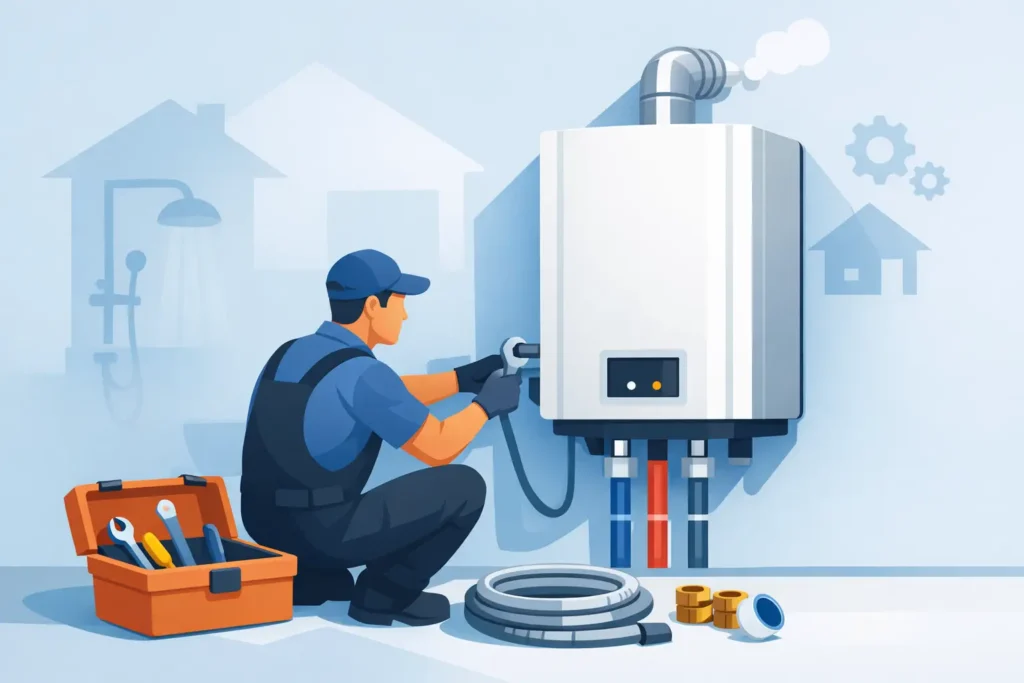
Hot water problems tend to show up at the worst time – before work, during a tenant turnover, or right when your business opens. That is usually when tankless water heater installation starts sounding less like an upgrade and more like a smart fix for a property that needs reliable performance without the bulk of a storage tank.
For many Tampa Bay homeowners and property managers, going tankless makes sense. These systems heat water on demand, take up less space, and can deliver strong efficiency over time. But the installation itself matters just as much as the equipment. A properly installed unit can give you years of dependable service. A rushed or undersized setup can leave you with temperature swings, ignition issues, venting problems, or disappointing flow.
What tankless water heater installation actually involves
A tankless system is not always a simple swap for a standard tank heater. In some homes, the change is straightforward. In others, it requires gas line upgrades, electrical work, new venting, drainage adjustments, or relocation to meet code and performance needs.
That is why the first step is not picking the brand. It is evaluating the property. A licensed plumber should look at how much hot water your home or building uses at peak times, where the unit will be installed, what fuel source is available, and whether the existing plumbing setup supports the new system.
If you are replacing a failed water heater, speed matters. But fast service should still include proper sizing and a clear explanation of what the job requires. Good installation is not guesswork. It is diagnosis, planning, and clean execution.
Is a tankless system right for your property?
Tankless units are a strong fit for many properties, but not every building has the same demands. A small household with staggered shower times may see great results from one unit. A larger family running multiple bathrooms, laundry, and dishwashing at the same time may need a higher-capacity model or even a different setup strategy.
Commercial and mixed-use properties also vary. A breakroom sink and single restroom have one kind of demand. A salon, restaurant space, or multi-tenant property has another. The right recommendation depends on real usage, not sales language.
There are clear advantages to tankless water heaters. You get on-demand hot water, a smaller footprint, and potentially lower energy waste compared to keeping a full tank heated around the clock. They can also last a long time when maintained properly. Still, there are trade-offs. Upfront installation costs are often higher, and older homes may need infrastructure upgrades before the new unit can perform the way it should.
Sizing matters more than most people expect
One of the biggest mistakes in tankless water heater installation is choosing a unit that cannot keep up with actual demand. This is where frustration starts. A system may look efficient on paper but still struggle if it was selected based only on square footage or a rough guess.
Tankless units are sized by flow rate and temperature rise. In plain terms, that means the heater must produce enough hot water, fast enough, based on how many fixtures may run at once and how much heating the incoming water needs. If that math is off, users may notice lukewarm water or reduced performance during busy times.
That is especially important for households with multiple bathrooms or businesses with recurring hot water use. The goal is not just to install a new heater. The goal is to install one that works reliably under real conditions.
Gas, electric, and venting considerations
Fuel type changes the installation process. Gas tankless units are popular because they can handle higher demand, but they often require larger gas lines than older tank systems. If the existing line is too small, the unit may not fire correctly or may underperform.
Electric tankless models can be a good option in the right property, but they usually demand significant electrical capacity. Some homes need panel upgrades or dedicated circuits before installation can move forward. That can affect both cost and timeline.
Venting is another major factor. Gas units must vent safely and correctly, and not all older venting setups are compatible with modern tankless equipment. This is not an area to cut corners. Proper venting protects the unit, supports efficiency, and helps keep the property safe.
What to expect on installation day
A professional tankless water heater installation should feel organized from the start. The plumber should confirm the scope of work, protect the work area, shut down the old system safely, and inspect the surrounding connections before the new unit goes in.
From there, the work may include removing the old heater, updating water lines, adjusting gas or electrical connections, installing vent materials, mounting the unit, and testing the system. Depending on the property, a condensate drain or other code-related components may also be required.
Once installed, the unit should be tested under operating conditions. That includes checking for leaks, confirming temperature settings, verifying ignition and flow, and making sure the customer understands basic operation. For property owners, that final walkthrough matters. You should know what was done, what settings were used, and what maintenance the system will need going forward.
How long does installation take?
It depends on the property and whether this is a direct replacement or a conversion. A simpler job may be completed in a day. A more involved installation with gas line, venting, or electrical upgrades can take longer.
The important thing is setting clear expectations before work begins. If extra modifications are needed, you should hear that up front, along with honest pricing and a realistic timeline. No one likes surprises when a water heater is involved, especially when tenants, family members, or customers are depending on hot water.
Cost factors behind tankless water heater installation
Property owners usually want one direct answer on cost, but pricing depends on more than the unit itself. The heater size, fuel type, brand, labor time, permit requirements, venting materials, and whether utility upgrades are needed all affect the final number.
A replacement in a newer home with compatible lines and straightforward access will usually cost less than a conversion in an older building. Tight utility closets, garage retrofits, attic placements, or commercial demands can also increase labor and materials.
That is why itemized estimates matter. A clear breakdown helps you see whether you are paying for the heater, the labor, the code-related updates, or additional plumbing and utility work. It also makes it easier to compare options honestly instead of chasing the lowest headline price.
Why professional installation is worth it
Tankless systems are efficient and compact, but they are not forgiving of poor installation. Problems like improper gas pressure, bad venting, incorrect temperature settings, weak water flow, or skipped maintenance access can lead to callbacks and costly repairs.
A licensed plumber helps protect your investment by getting the details right the first time. That includes code compliance, safe connections, clean workmanship, and performance testing. For landlords and business owners, professional documentation can also be valuable for records, maintenance planning, and future service.
In a fast-moving service area like Tampa Bay, response time matters too. If your existing water heater has failed, waiting days for a quote or getting vague answers only adds stress. A dependable plumbing company should be able to assess the situation quickly, explain your options clearly, and move the job forward without wasting your time.
Tankless water heater installation and long-term maintenance
A tankless unit still needs maintenance. That surprises some people who assume tankless means maintenance-free. It does not. Mineral buildup can affect performance, especially over time, and regular flushing helps protect efficiency and extend service life.
Maintenance schedules depend on water quality, usage, and manufacturer guidance. A homeowner with moderate daily use may have different needs than a commercial property with heavy demand. Either way, routine service is much easier and less expensive than dealing with preventable breakdowns.
If you are considering tankless water heater installation, the best next step is not guessing online specs or choosing the first model you see. It is getting a clear evaluation from a licensed plumber who can match the system to your property, explain the real scope of work, and install it the right way. When hot water matters every day, a careful install pays off long after the job is done.


