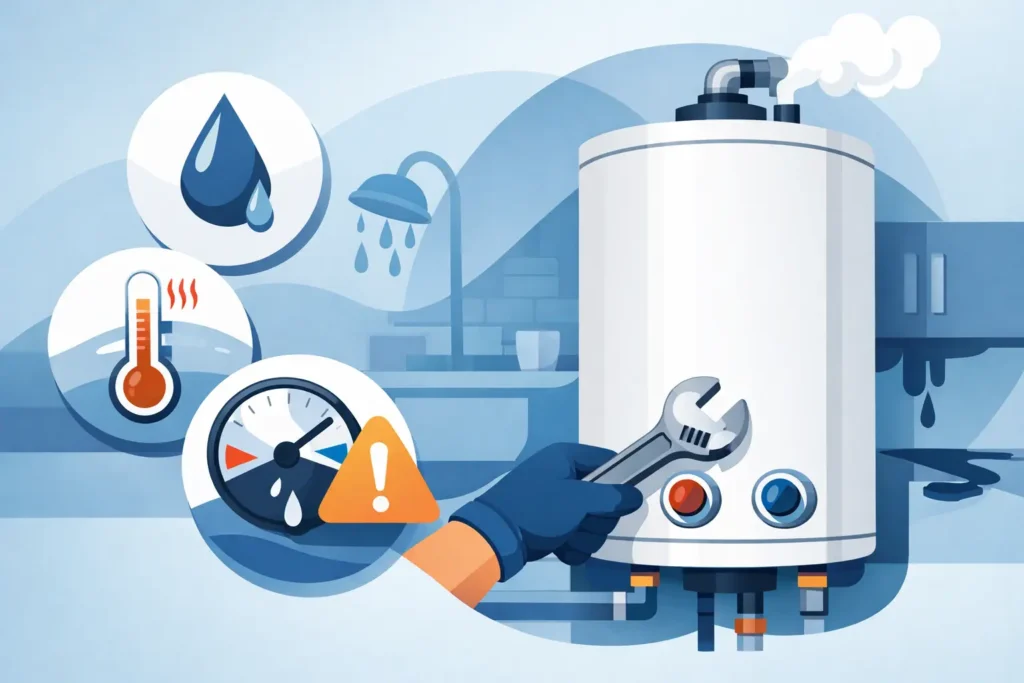
No hot water before a shower. Rust-colored water at a commercial sink. A tank making popping noises in the garage at 6 a.m. These are the moments when water heater repair stops being something you can put off and becomes a real property problem. For homeowners, landlords, and business owners in Tampa Bay, the goal is simple – get the issue diagnosed quickly, fix it the right way, and avoid bigger damage.
When water heater repair should not wait
Some water heater issues build slowly. Others turn urgent fast. If your system is leaking, producing no hot water at all, tripping breakers, giving off a burning smell, or causing visible water damage around the unit, it is time to act. A delay can mean damage to flooring, walls, stored items, and nearby plumbing connections.
Even less dramatic symptoms matter. If hot water runs out much faster than it used to, if temperatures swing from hot to cold, or if your utility bill suddenly climbs, your water heater may be working harder than it should. That often means a worn component, sediment buildup, or a system nearing the end of its service life.
For rental properties and commercial spaces, speed matters even more. A water heater problem can affect tenants, staff, customers, and daily operations. Fast diagnosis is not just convenient – it helps limit complaints, downtime, and secondary repair costs.
Common signs your water heater needs repair
Most failing water heaters give some warning before they stop working completely. The trick is knowing which signs point to a repairable issue and which suggest replacement may be the smarter move.
Inconsistent or no hot water
This is the most obvious red flag. On a gas unit, the issue could be a faulty thermostat, pilot or ignition problem, gas control valve issue, or sediment reducing heating efficiency. On an electric unit, a failed heating element or thermostat is often the cause. Tankless systems can also lose performance due to mineral buildup, ignition failure, flow sensor issues, or venting problems.
Leaks around the unit
Not every leak means the tank itself has failed. Sometimes the problem is a loose connection, drain valve, pressure relief valve, or supply line. That is the good news. The bad news is that a leaking tank usually points to internal corrosion, and that is not something a simple repair can reverse. A licensed plumber can tell the difference quickly.
Discolored water or unusual odor
If hot water looks rusty, the water heater may have internal corrosion or an anode rod that is no longer doing its job. If the water smells like sulfur or rotten eggs, bacteria inside the tank may be reacting with the anode rod. In some cases, flushing the tank and replacing the rod solves it. In others, more extensive service is needed.
Strange noises
Rumbling, popping, or banging sounds usually come from sediment hardened at the bottom of the tank. Tampa Bay water conditions can contribute to mineral accumulation over time, especially if maintenance has been skipped. That sediment makes the unit less efficient and can overheat the tank bottom, leading to premature wear.
Low hot water pressure
If pressure drops only on the hot side, mineral deposits or internal buildup may be restricting flow. Tankless units are especially sensitive to scale buildup. It is a repair issue worth addressing early because restriction can place extra strain on the system.
What causes water heater problems in the first place?
Most water heater repairs come down to a few common causes: age, wear on electrical or gas components, sediment accumulation, corrosion, and lack of maintenance. A lot depends on the type of system and how heavily it is used.
Traditional tank water heaters are constantly storing and reheating water. Over time, that repeated cycle wears out thermostats, elements, valves, and the tank itself. Tankless systems avoid standby heating, but they are not maintenance-free. They rely on clean burners, sensors, heat exchangers, and proper flow conditions.
Usage patterns matter too. A single-family home has different demands than a rental property with high turnover or a business using hot water throughout the day. The more work the unit does, the more important regular inspection becomes.
Water heater repair vs. replacement
This is where a straightforward diagnosis matters. Some problems are clearly repairable. Replacing a heating element, thermostat, pressure relief valve, anode rod, igniter, or circulation component often makes sense if the rest of the unit is in solid condition.
But not every repair is worth making. If the tank is leaking from the body, if corrosion is advanced, or if the unit is already near the end of its expected lifespan, replacement may be the better investment. A cheap short-term fix is not always a good value if it leaves you facing another service call in a few months.
Age is a practical factor, not a rigid rule. Many tank water heaters last around 8 to 12 years, while tankless systems can last longer with proper maintenance. Still, condition matters more than the calendar alone. A well-maintained system may have good years left. A neglected one may not.
Why professional diagnosis saves time and money
Water heaters combine water, electricity or gas, pressure, and heat. That is not the place for guesswork. A proper service call should identify the failure point, check for related damage, and explain whether the issue is isolated or part of a larger problem.
A professional plumber will typically inspect the thermostat settings, heating components, gas or power supply, venting, tank condition, shutoff valves, pressure relief valve, and visible signs of leakage or corrosion. On tankless units, that may also include checking for code errors, scale buildup, combustion performance, and flow-related issues.
Good service is not just about making the heat come back on. It is about clear communication. Customers should know what failed, why it failed, what the repair involves, and what the cost covers. Honest pricing and itemized documentation matter, especially for landlords and business owners who need records for tenants, maintenance logs, or accounting.
Emergency water heater repair situations
Not every water heater issue is a full emergency, but some absolutely are. If the unit is actively leaking, flooding a utility room, creating electrical risk, or showing signs of gas-related trouble, immediate service is the right move.
Here are the situations that should be treated as urgent:
- Water pooling around the heater or leaking from the tank
- No hot water in a property that depends on continuous hot water use
- Burning smells, smoke, or signs of overheating
- Suspected gas leak or improper venting
- Breaker trips tied to the water heater
- Visible corrosion with active dripping from fittings or tank seams
In these cases, shutting off power or gas to the unit and stopping the water supply may help reduce damage while you wait for a plumber. If there is any sign of a gas leak, leave the area and follow emergency safety steps first.
How maintenance reduces repair calls
The best water heater repair is the one you never need. Routine maintenance cannot prevent every breakdown, but it can catch wear early and extend the life of the system.
For tank units, flushing sediment, testing the pressure relief valve, checking the anode rod, and inspecting connections can make a noticeable difference. For tankless systems, descaling and cleaning key components is especially important in areas where mineral buildup is common.
Maintenance also gives you a chance to spot small problems before they become disruptive. A minor valve issue or early corrosion is much easier to handle than a full system failure on a busy morning.
Choosing the right plumber for water heater repair
When hot water is out, most customers are not looking for a long lesson in plumbing. They want a licensed professional who shows up fast, diagnoses the issue correctly, and does quality work without vague pricing.
That means looking for a company that offers prompt response, experience with both tank and tankless systems, transparent recommendations, and professional follow-through. Clean work habits matter. So does respect for your property. Before-and-after photos, clear invoices, and direct answers all help build confidence during a stressful repair.
For Tampa Bay property owners, local experience matters too. A plumber who regularly works in homes and businesses across the area will have a better feel for common system types, local water conditions, and the urgency that comes with service interruptions. Royal King Plumbing approaches these calls the way customers expect – fast response, honest communication, and repairs meant to last.
If your water heater is making noise, leaking, or failing to keep up, the safest move is to address it before it becomes a larger plumbing problem. Hot water should be reliable, and when it is not, a clear diagnosis and timely repair can restore normal use without unnecessary stress.


