
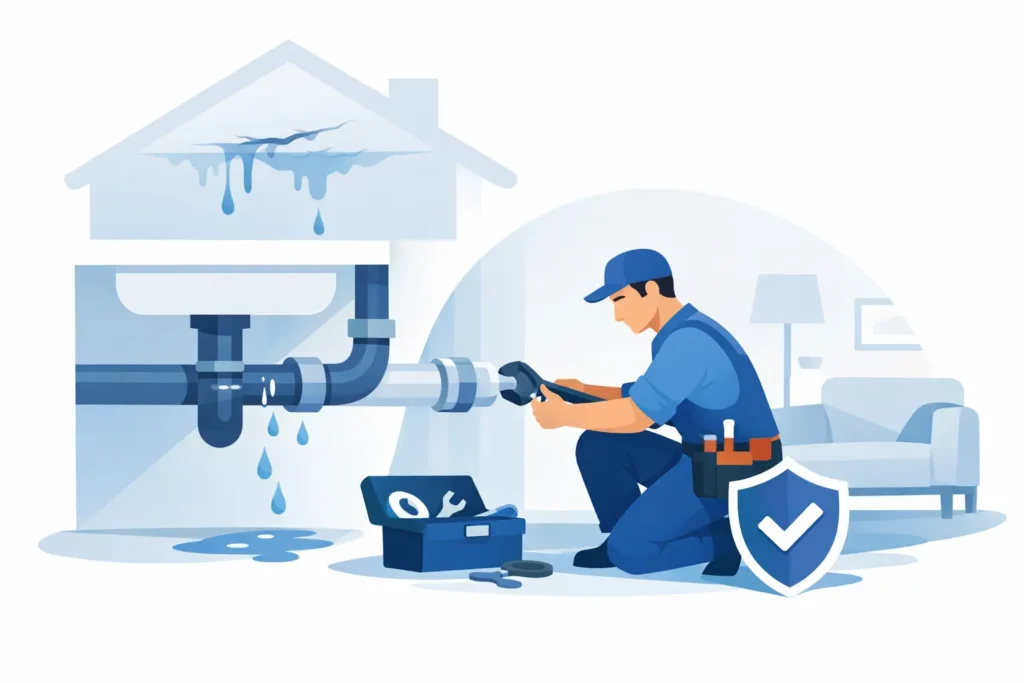
A small drip under a sink can turn into cabinet damage, warped flooring, and mold before most people realize how serious it is. That is why water leak repair should never be treated like a minor issue, especially in homes and commercial properties around Tampa Bay where moisture problems can escalate quickly.
The good news is that not every leak means major pipe replacement. In many cases, the real problem is finding the exact source quickly, stopping the water, and making the right repair the first time. When that happens fast, you avoid bigger restoration costs, prevent repeat leaks, and get back to normal without unnecessary disruption.
Why fast water leak repair matters
Leaks do more than waste water. They damage drywall, flooring, cabinets, insulation, and framing. In a commercial space, they can interrupt business, affect tenants, and create safety issues for staff and customers.
What makes leaks expensive is usually not the pipe itself. It is the delay. A pinhole leak behind a wall may start small, but if it goes unnoticed for even a few days, the repair often expands beyond plumbing into flooring, painting, and structural drying. Fast action keeps the problem contained.
There is also the issue of water bills. If you have a hidden line leak, your monthly bill may rise before you see visible damage. Many property owners first suspect a problem when water usage suddenly jumps for no clear reason.
Common signs you may need water leak repair
Some leaks are obvious. Others are hidden behind walls, under slabs, in ceilings, or near fixtures that only leak during use. If you notice stained drywall, musty odors, bubbling paint, wet spots on flooring, or unexplained dripping sounds, there is a good chance water is getting where it should not.
A drop in water pressure can also point to a leak, especially if it affects more than one fixture. In other cases, you may see water collecting near a water heater, under a sink, around a toilet base, or behind appliances. None of these signs should be ignored.
For landlords and property managers, tenant reports matter even when the issue sounds minor. A complaint about a damp wall, recurring bathroom odor, or soft flooring may be the first sign of a larger plumbing problem.
Where leaks usually happen
Most leak calls fall into a few common categories. Supply lines under sinks are frequent trouble spots because fittings loosen, shutoff valves wear out, and flexible hoses age over time. Toilets are another common source, especially at the fill valve, supply connection, or wax ring.
Water heaters can leak from connections, relief valves, drain valves, or the tank itself. The repair approach depends on the source. A loose fitting is one thing. A rusted-out tank is another.
In kitchens, garbage disposals, sink drains, and dishwasher lines often cause leaks that spread into cabinets and flooring. In bathrooms, shower valves, tub drains, and caulking failures can let water travel into walls or downstairs ceilings.
Then there are the harder cases – pipe leaks behind walls, under concrete slabs, or above ceilings. These are the leaks that require accurate diagnosis, not guesswork. Cutting open the wrong wall wastes time and money.
Leak detection comes before the fix
Good water leak repair starts with locating the exact problem. That sounds obvious, but it is where a lot of costly mistakes happen. A stain on the ceiling does not always mean the pipe directly above it is leaking. Water travels, and the visible damage is often not the true source.
An experienced plumber looks at fixture use, pipe routing, pressure conditions, and the pattern of damage before opening anything. That process matters. It reduces unnecessary demolition and leads to a repair plan that actually solves the issue.
In urgent situations, speed is critical, but speed without accuracy creates repeat calls. The right approach is fast diagnosis followed by a durable repair. That is what protects the property long term.
Repair options depend on the cause
There is no single fix for every leak. Some repairs are straightforward, like replacing a supply line, resetting a toilet, tightening a fitting, or swapping out a failed valve. Others involve cutting out damaged pipe, repairing drain lines, or replacing sections of plumbing that have corroded or cracked.
For older properties, repeated leaks can be a sign of broader pipe wear. At that point, patching one section may not be the most cost-effective choice. If a pipe material is failing in multiple areas, a more extensive repair may save money compared to repeated emergency visits.
This is where honest pricing and clear communication matter. Property owners should know whether they are looking at a simple repair, a partial replacement, or a sign of a larger system issue. The best service calls are the ones where the plumber explains the options in plain language and shows what was found.
When a leak becomes an emergency
Not every leak needs a middle-of-the-night response, but some absolutely do. If water is actively flowing through a ceiling, pooling near electrical systems, soaking floors, or threatening inventory, equipment, or occupied units, it is an emergency.
The same goes for slab leaks, burst pipes, and water heater failures that release significant water. In these situations, shutting off the water supply is the first step. After that, you need a licensed plumber who can respond quickly, identify the source, and stop the damage from spreading.
For businesses, the cost of waiting may include downtime and liability, not just repairs. For homeowners, it may mean damage that insurance questions later because the issue was allowed to continue. Fast response is not just about convenience. It can materially reduce loss.
What to do while waiting for the plumber
If you can safely access the shutoff valve for the affected fixture, turn it off. If the leak is larger or the source is unclear, shut off the main water supply. Move nearby items out of the wet area, and if possible, use towels or a bucket to contain active dripping.
Avoid tearing into walls or ceilings unless there is an immediate safety reason. It is understandable to want to find the leak, but unnecessary damage can complicate the repair and restoration process. Photos of visible damage can also help document the issue before work begins.
If the leak is near electrical outlets, panels, or appliances, keep people away from the area and use caution. Water and electricity are a bad combination, and safety comes first.
Choosing a plumber for water leak repair
When you are dealing with a leak, you want more than someone who can show up. You want a plumber who can diagnose the problem quickly, explain what is happening clearly, and make a repair that holds up. That means licensed experience, responsive scheduling, and pricing that is discussed upfront instead of after the work is done.
It also helps to work with a company that respects your property. Clean work areas, professional documentation, before-and-after photos, and itemized receipts all make a difference, especially for landlords, property managers, and business owners who need records.
In Tampa Bay, fast response matters because delays turn plumbing issues into property damage. Royal King Plumbing focuses on exactly that kind of service – prompt dispatch, straightforward communication, and repairs built to last.
Preventing the next leak
Not every leak is preventable, but many are. Older supply lines, worn shutoff valves, loose fixture connections, failing water heaters, and high water pressure are all common risk factors. If you have had one leak, it is worth asking whether nearby components should also be inspected.
Routine plumbing maintenance is especially useful in rental properties and commercial spaces where small issues can go unnoticed longer. Catching a worn hose or a corroded fitting early is far less expensive than dealing with damaged walls, flooring, and tenant disruption later.
A leak is stressful, but the right repair process makes it manageable. The key is acting early, getting a clear diagnosis, and choosing a fix that solves the problem rather than covering it up. When water shows up where it should not, fast and professional help is the difference between a contained repair and a much bigger mess.


